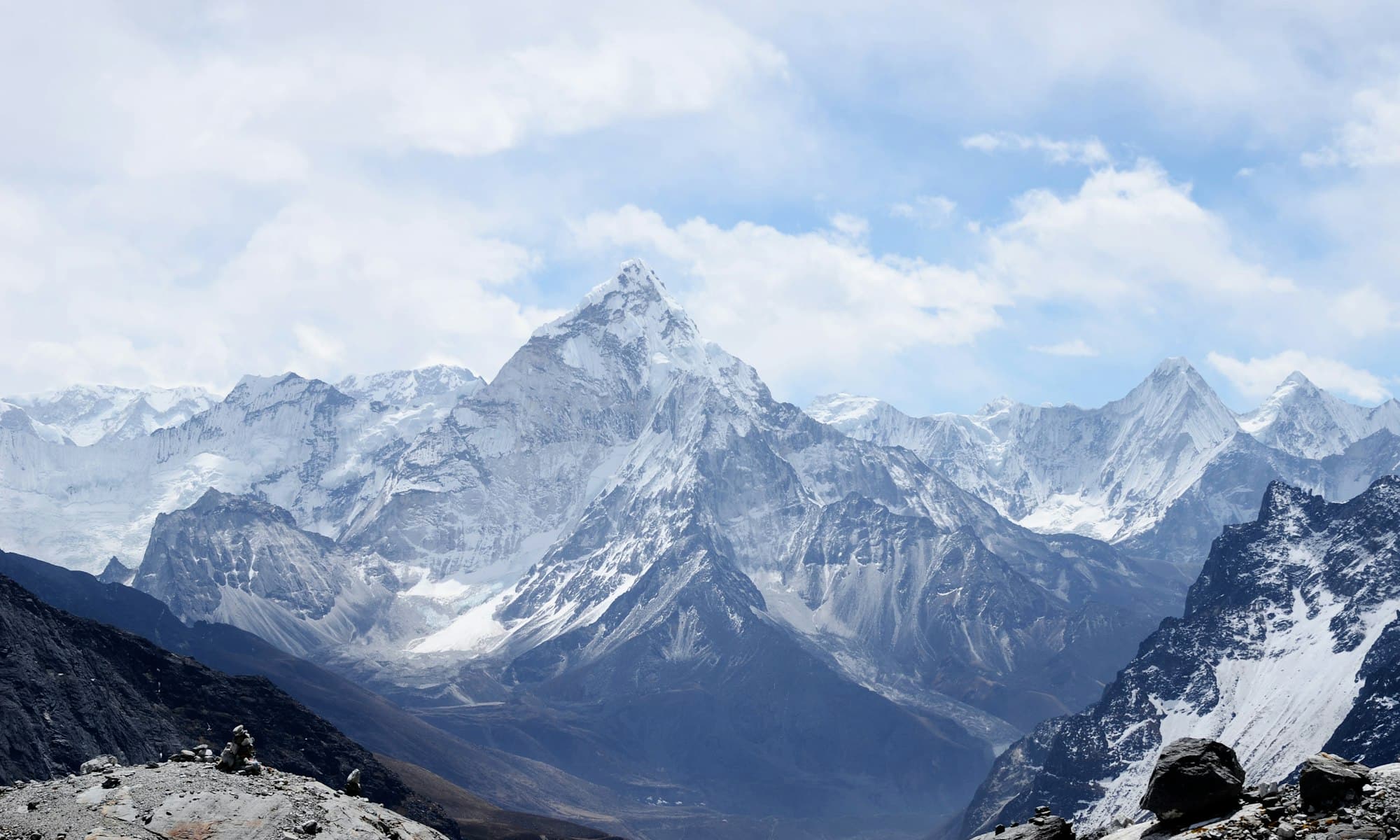
From Himalayas
Raw by Nature. Rare by Origin. Real by Choice. Three claims we would rather demonstrate than advertise.
Raw And Rare began with a simple frustration: the pantry staples that leave the Himalayas rarely arrive as themselves. Salt gets bleached and stripped. Honey gets heated until it will never crystallise and never taste of a forest again. Rice gets polished until the part worth eating has been milled off and sold as cattle feed.
None of that happens because it makes the food better. It happens because it makes the food uniform, shelf-stable and cheap to move. We decided to accept the inconvenience instead.
Unrefined, unbleached, unheated. If a process exists only to make a product look consistent, we skip it and explain why on the label.
Single valley, single harvest, named at the point of sale. Small-batch is a consequence of how we buy, not a marketing decision.
Prices agreed with growers before the harvest, not after it. Direct trade, no aggregator layer, no opaque middle.
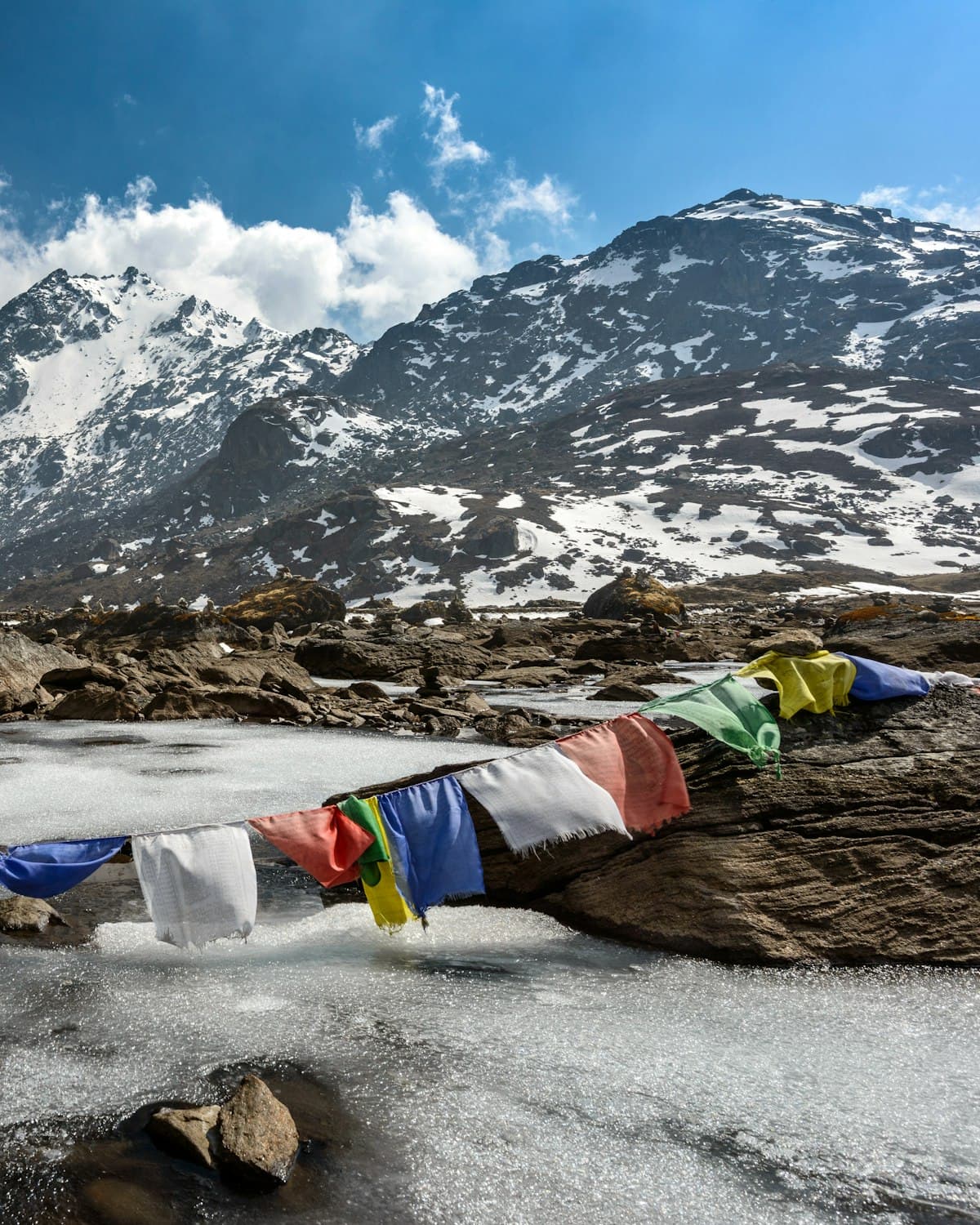
We buy from growers, collectors and small mills across the Himalayan belt — families who have worked the same terraces and forests for generations, and who mostly sold into a commodity market that never asked where anything came from.
Agreements are made before the season, at a fixed price, so the risk of a bad year does not land entirely on the person doing the hardest part of the work. Every consignment is traced back to the household that produced it.
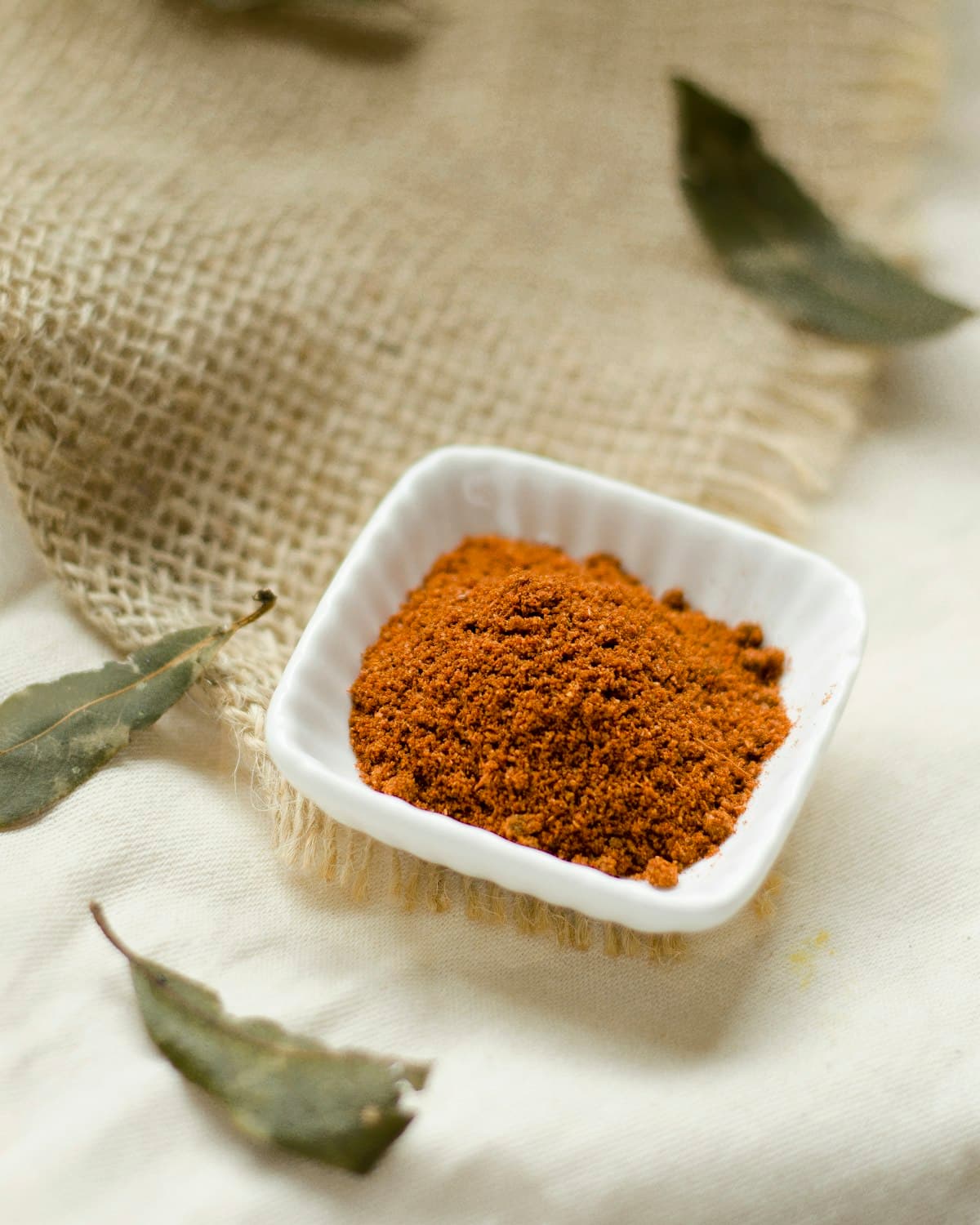
Stone mills instead of high-speed ones, because heat destroys the volatile oils that make spice taste like spice. Cold straining instead of filtration. Sun-drying instead of kiln-forcing.
Everything is milled and packed in batches small enough to move quickly, which is why an item occasionally goes out of stock rather than sitting in a warehouse for a year.
It is the smallest change you can make to a kitchen and the fastest one to notice.
Shop the collection